PC Gaming Stutter Explained: Why High FPS Can Still Feel Slow
A game averaging 100 FPS can still feel worse than one running at a steady 60 FPS. Average frame rate hides variations in the time needed to render each frame.
Frame time is the missing metric
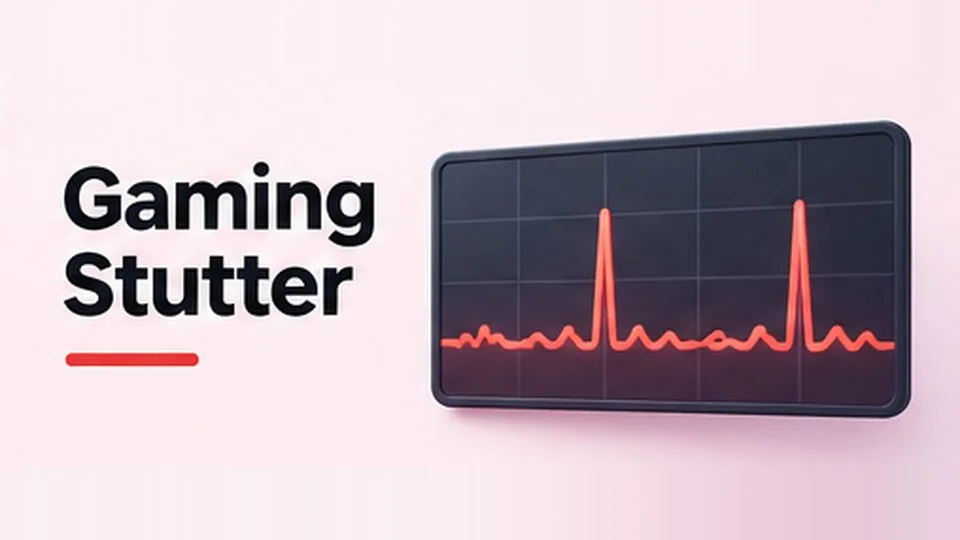
At a steady 60 FPS, a frame arrives roughly every 16.7 milliseconds. A sudden delay of 100 milliseconds creates a noticeable hitch, even if the average remains high. A frame-time graph makes these irregularities easier to spot.
Common causes
Shader compilation can create temporary pauses, especially when new effects appear. Asset streaming, limited graphics memory, background tasks and CPU-heavy simulation can also interrupt rendering. A fast GPU does not eliminate every CPU or storage bottleneck.
Diagnose before changing settings
- Repeat the same route in a game and record frame times.
- Check GPU utilization, CPU behavior, memory usage and temperatures.
- Reduce texture quality if graphics memory is under pressure.
- Try a stable frame-rate cap that your system can maintain.
- Test changes individually rather than applying dozens of tweaks.
What about shader caches?
A game may improve after shaders have been compiled. Repeatedly clearing caches can cause the work to happen again. Use official troubleshooting instructions when a cache is suspected of corruption.
The takeaway
Consistent frame delivery matters more than chasing a peak FPS figure. Choose settings that improve the worst moments of gameplay, not just the benchmark average.
Engagement
Comments