Blockchain Revolutionizes Secure Data
Introduction to Blockchain and Data Security
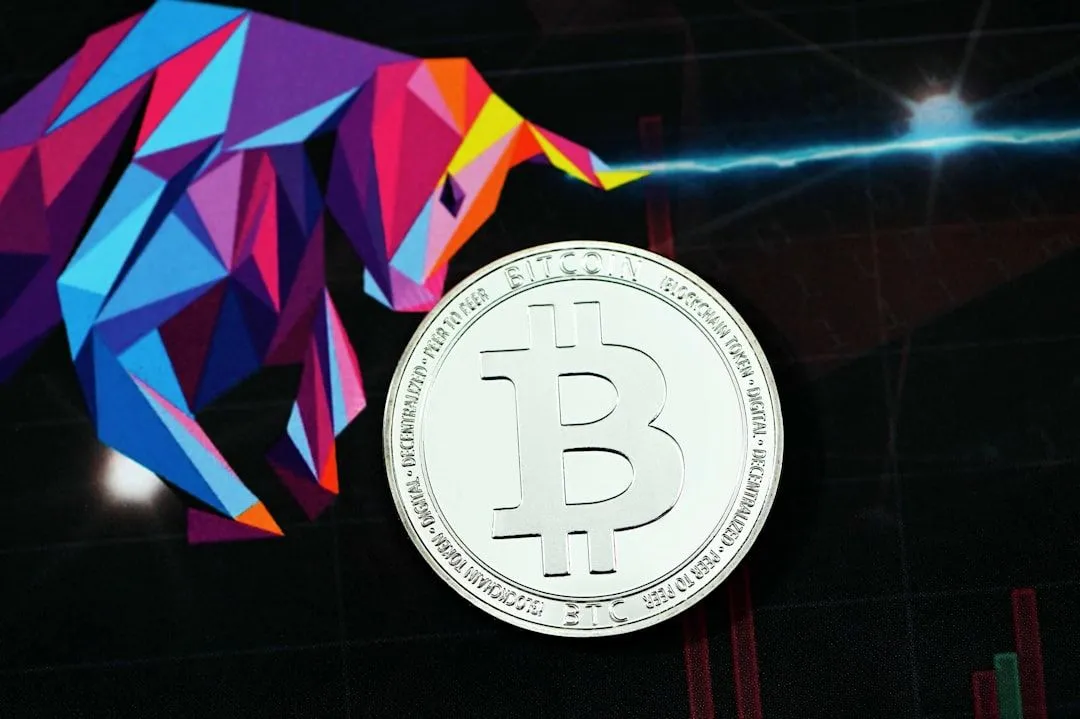
The world of technology is constantly evolving, and one of the most significant advancements in recent years is the development of blockchain technology. Initially introduced as the underlying platform for cryptocurrencies like Bitcoin, blockchain has proven to be a versatile and secure way to store and transfer data. In this article, we will explore how blockchain revolutionizes secure data and the benefits it offers to individuals and organizations.
At its core, blockchain is a decentralized, digital ledger that records transactions across a network of computers. This ledger is secure, transparent, and tamper-proof, making it an ideal solution for storing sensitive information. As the world becomes increasingly digital, the need for secure data storage and transfer has never been more pressing. With the rise of cyberattacks and data breaches, it's essential to understand how blockchain can help protect our personal and professional data.
How Blockchain Works
So, how does blockchain work? In simple terms, a blockchain is a chain of blocks, each containing a list of transactions. These transactions are verified by a network of computers, known as nodes, which work together to validate the information. Once a transaction is verified, it is combined with other transactions in a block and added to the blockchain. This process creates a permanent and unalterable record of all transactions that have taken place on the network.
The security of blockchain lies in its decentralized nature and the use of advanced cryptography. Each block is given a unique code, known as a "hash," which connects it to the previous block, creating a chain. This makes it impossible to alter or manipulate the data without being detected. Additionally, the decentralized nature of blockchain means that there is no single point of failure, making it more resistant to cyberattacks.
Benefits of Blockchain for Secure Data
So, what are the benefits of using blockchain for secure data? Some of the key advantages include:
- Security: Blockchain is a secure way to store and transfer data, thanks to its use of advanced cryptography and decentralized nature.
- Transparency: All transactions on a blockchain are recorded publicly, making it possible to track the movement of data.
- Immutability: The data stored on a blockchain is tamper-proof, meaning it cannot be altered or deleted.
- Efficiency: Blockchain can automate many processes, making it a faster and more efficient way to transfer data.
These benefits make blockchain an attractive solution for a wide range of industries, from finance and healthcare to supply chain management and voting systems.
Real-World Applications of Blockchain
So, how is blockchain being used in the real world? Some examples include:
- Supply Chain Management: Companies like Walmart and Maersk are using blockchain to track the movement of goods and verify their authenticity.
- Healthcare: Blockchain is being used to securely store and transfer medical records, as well as to track the movement of pharmaceuticals.
- Voting Systems: Some countries are exploring the use of blockchain to create secure and transparent voting systems.
- Finance: Blockchain is being used to facilitate cross-border payments and to create new financial instruments, such as stablecoins.
These are just a few examples of the many ways in which blockchain is being used to revolutionize secure data. As the technology continues to evolve, we can expect to see even more innovative applications in the future.
Practical Tips for Implementing Blockchain
So, how can you start using blockchain to secure your data? Here are some practical tips:
First, educate yourself about the basics of blockchain and how it works. This will help you understand the benefits and limitations of the technology.
Second, identify your use case. What problem do you want to solve with blockchain? Is it secure data storage, supply chain management, or something else?
Third, choose a platform. There are many different blockchain platforms available, each with its own strengths and weaknesses. Do your research and choose the one that best fits your needs.
Finally, start small. Don't try to implement a full-scale blockchain solution right away. Start with a small pilot project and test the waters before scaling up.
Conclusion
In conclusion, blockchain is a powerful tool for securing data and revolutionizing the way we store and transfer information. Its decentralized nature, advanced cryptography, and immutability make it an ideal solution for a wide range of industries and applications. Whether you're an individual looking to secure your personal data or an organization looking to protect your sensitive information, blockchain is definitely worth considering.
As the technology continues to evolve, we can expect to see even more innovative applications of blockchain in the future. From supply chain management to voting systems, the potential uses of blockchain are endless. So, stay ahead of the curve and start exploring the benefits of blockchain for yourself. With its potential to revolutionize secure data, blockchain is an exciting and rapidly evolving field that is definitely worth watching.
Engagement
Comments